
The hidden motivations driving gambling behaviors in modern casinos
The hidden motivations driving gambling behaviors in modern casinos
The psychology behind gambling
Understanding the psychology of gambling is crucial to grasping the hidden motivations that drive players to modern casinos. Many gamblers are attracted by the thrill of winning, but deeper psychological factors often play a more significant role. Feelings of excitement, risk-taking, and the allure of a potential jackpot can create a powerful draw, keeping individuals engaged in gambling activities. A detailed goldspirevision.com review can provide further insights into these trends.
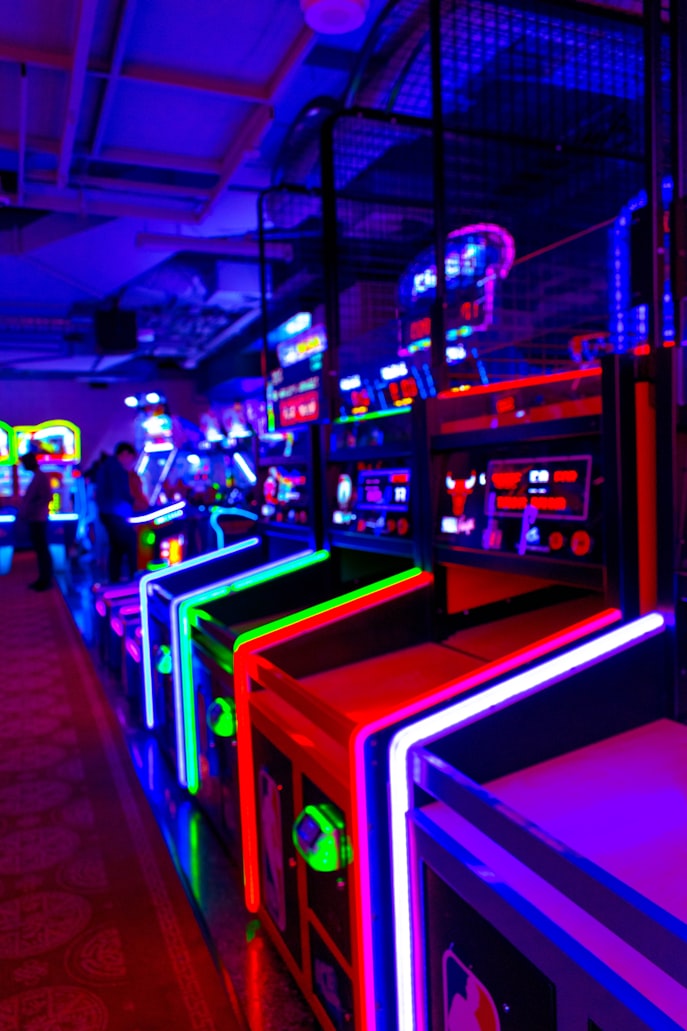
Moreover, the environment of a casino is meticulously designed to enhance these psychological triggers. The sounds of coins, flashing lights, and vibrant colors create an immersive experience that heightens emotions, making it difficult for players to leave. This sensory overload can lead to an altered state of mind, where the desire to gamble intensifies.
The role of social interaction
Social interaction is another critical motivator for gambling behaviors. Many individuals visit casinos not only for the games but also for the opportunity to socialize. Casinos provide a communal atmosphere where people can meet, share experiences, and bond over their shared interest in gaming. For beginners, this aspect can be particularly appealing, as they often look for a welcoming environment.
This social aspect can create a sense of belonging that reinforces gambling habits. Players may feel compelled to return to the casino to connect with friends or make new acquaintances, often prioritizing social engagement over financial considerations. The combination of camaraderie and competition can significantly influence gambling behaviors.
Cognitive biases and decision-making
Cognitive biases are prevalent in gambling, leading players to make irrational decisions that drive their behaviors. One common bias is the illusion of control, where gamblers believe they can influence the outcome of games of chance. This misconception can lead to overconfidence and increased gambling activity, as players feel empowered to chase their losses or capitalize on perceived winning streaks.
Furthermore, the gambler’s fallacy—where individuals believe that previous outcomes will influence future results—can perpetuate a cycle of gambling. These cognitive distortions often cloud judgment and lead to behaviors that may seem illogical but are deeply rooted in human psychology.
The influence of marketing and design
The marketing strategies employed by casinos play a significant role in shaping gambling behaviors. Promotions, bonuses, and loyalty programs are designed to attract and retain players, creating an environment where spending becomes normalized. These incentives can make the prospect of losing seem less daunting, encouraging individuals to gamble more.
The design of the casino itself is also pivotal in influencing behavior. Layouts are optimized to keep players in the gaming areas longer, minimizing distractions and maximizing engagement. Such environments encourage continued play, often leading to extended gambling sessions that can result in significant financial loss.

Engaging with the community and staying informed
As we delve deeper into the motivations driving gambling behaviors in modern casinos, it’s essential to stay connected with the community and learn more about these complex dynamics. Engaging in discussions and sharing insights can help individuals understand their own behaviors and those of others in the gambling environment.
Joining platforms that focus on trends and news in the gaming industry can provide valuable information. Being informed allows players to make conscious decisions about their gambling habits, ensuring a healthier approach to gaming. By fostering awareness and conversation, we can contribute to a more responsible gambling culture.